Issue #34: Tailored pyrrole-based imidazothiazole scaffolds: Synthetic elaboration, enzyme kinetic profiling and DFT-guided molecular docking toward Antidiabetic therapeutics.
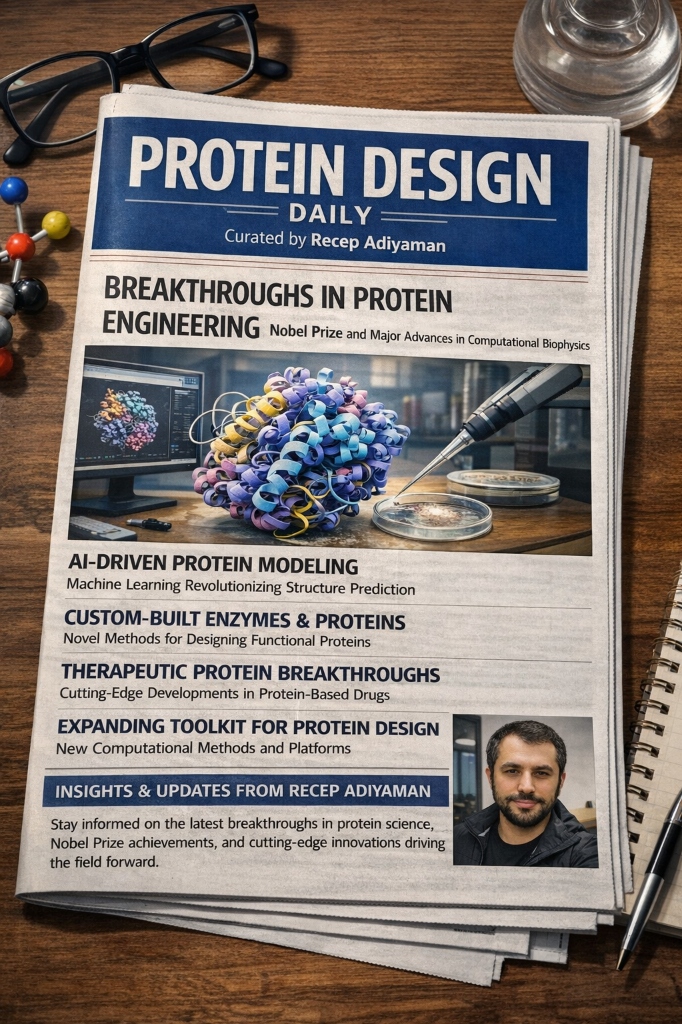
Building something in Protein Design?
I love collaborating on new architectural challenges. Let's build together.
🧬 Protein Design Digest
Curated protein signals by Recep Adiyaman
🚀 Today’s Top Signal
Tailored pyrrole-based imidazothiazole scaffolds: Synthetic elaboration, enzyme kinetic profiling and DFT-guided molecular docking toward Antidiabetic therapeutics.
🧬 Abstract
The current research study highlights the successful biological evaluation of novel imidazo-thiadiazole based pyrrole derivatives, with the aim of targeting diabetes mellitus through alpha-amylase and alpha-glucosidase inhibition. These compounds exhibited promising anti-diabetic activity, notably compound 8 emerged as a leading candidate (3.50 ± 0.20, and 4.10 ± 0.10 µM) which outperformed the potential of acarbose (6.20 ± 0.10 and 6.70 ± 0.20 µM), a reference drug. The enhanced biological potential of compound 8 is likely due to incorporation of hydroxyl substituents, which may strengthen its binding affinity and selectivity towards the targeted enzymes. Molecular docking revealed stable interactions with key amino acids residues of targeted enzymes, providing mechanistic basis for its potent inhibitory activity. To further established their therapeutic relevance, enzyme kinetic study was conducted which confirmed their mode of inhibition while ADMET analysis indicated favorable pharmacokinetics and safety profiles. Moreover, pharmacophore modeling and molecular dynamics simulations reinforced the stability and binding efficiency of lead compounds under dynamic biological conditions. All the experimental results and in silico validations demonstrate that potent compounds possess significant anti-diabetic activity profile. Their ability to outperform an existing diabetes mellitus inhibitor and maintaining a favorable safety profile suggest that these compounds have potential to be further used in drug development and optimization against Diabetes Mellitus.
Why it matters: Provides actionable mutations to enhance catalytic efficiency or thermostability.
⭐ Additional Signals
Identification of novel umami peptides in fermented milk and elucidation of their umami mechanism via molecular docking and molecular dynamics simulations.
A streamlined workflow integrating multi-model machine learning, bioinformatics filtering, sensory evaluation, molecular docking and dynamics simulations was applied to mine umami peptides in fermented milk. Based on dual selection criteria-(i) unanimous umami prediction by UMPred-FRL, Umami_YYDS, Umami-MRNN, Mlp4Umami, Umami_TD, (ii) favorable in silico properties (non-toxicity, non-allergenicity, good solubility, stability, potential bioactivity)-ten out of the 1505 peptides identified by peptidomics were shortlisted as umami peptide candidates. Sensory evaluation confirmed that eight imparted an umami taste. Molecular docking revealed that umami peptides interact with TAS1R1/TAS1R3 primarily through hydrogen bonds formed between their hydrophilic residues (predominantly Lys, Tyr) and receptor hydrophilic residues (notably Lys/Arg in TAS1R1, Asn in TAS1R3). Residues Arg307/Met375/Lys379 of TAS1R1, and Arg327/443/Ala329/Val437/Met452 of TAS1R3 were key interaction sites. Molecular dynamics simulations showed that the three peptides with the highest umami taste-EVFTKK, SKKTVDME, VMGVSKVKE-formed stable and compact complexes with TAS1R1/TAS1R3. This work enhances understanding of the umami characteristics of fermented milk.
Identification of Three Novel Umami Peptides from Metagenomics of Traditional Fermented Fish, Suanyu, and Receptor Binding Mechanism via the Graph Neural Network-Based Model and Molecular Dynamics Simulation.
Fermented fish products are vital sources of umami peptides. In this study, a hierarchical graph attention network-based model was developed to identify candidate umami peptides. Via an integrated approach combining metagenomics, molecular docking, attention weight analysis, molecular dynamics simulations, and experimental validation, three novel umami peptides (GYSSYK, LYSDSK, and TRTKASY) were identified from the Suanyu system, a traditional fermented fish product. It was revealed that T1R1 and T1R3 could form stable complexes with these peptides involving critical residues: GLU301, ARG277, LYS328, SER384, ASP147, GLN278, and HIS71. In sensory evaluation, candidate peptides showed high umami properties with umami threshold values of 0.28 (±0.14) mg/mL. Overall, this study presents a hierarchical graph attention network-based screening methodology for the rapid screening and in-depth study of umami peptides.
Graphene oxide functionalized metalloporphyrins as advanced antimicrobial nanomaterials with integrated synthesis, characterization and molecular docking evaluations.
This study reports the synthesis and doping of reduced graphene oxide (rGO) with metalated porphyrins-nickel [Ni-t(OH)4-Por] (M1-Por), zinc [Zn-t(OH)4-Por] (M2-Por), and manganese [Mn-t(OH)4-Por] (M3-Por) to develop reduced graphene oxide-porphyrin nanocomposites (rGO-M1-Por, rGO-M2-Por, and rGO-M3-Por). These nanocomposites were thoroughly characterized using UV-Vis, FT-IR, 1H NMR, PXRD, and SEM techniques, and their remarkable antimicrobial activity was further supported by insilico molecular docking studies. The antimicrobial efficacy of the metalloporphyrins (M1-Por, M2-Por, and M3-Por) and their hybrids (rGO-M1-Por, rGO-M2-Por, and rGO-M3-Por) was assessed against various bacterial strains (Staphylococcus aureus, Bacillus subtilis, Enterococcus faecium gram-positive strains, Klebsiella pneumonia, and Escherichia coli gram-negative strains) and fungal strains (Aspergillus niger and Candida albicans). Among the metalloporphyrin complexes, (M3-Por) exhibited the highest activity, attributed to the redox-active Mn(II) center and its strong binding affinity (- 10.54 kcal/mol) through multiple hydrogen bonds. Hybrid nanocomposites demonstrated superior bioactivity, with (rGO-M3-Por) achieving the lowest binding energy (- 14.39 kcal/mol) and extensive hydrogen bonding with ARG24 and ARG27. Molecular docking and dynamics simulations with S. aureus nucleoside diphosphate kinase revealed stable interactions involving hydrogen bonding, π-π stacking, and hydrophobic contacts. Furthermore, insilico ADMET studies indicated good drug-likeness, non-toxicity, and potential for safe oral administration.
🧪 AI & Research News
- The Master Architect of Molecules: How Google DeepMind’s AlphaProteo is Rewriting the Blueprint for Cancer Therapy - FinancialContent: The Master Architect of Molecules: How Google DeepMind’s AlphaProteo is Rewriting the Blueprint for Cancer Therapy FinancialContent
- CSB Research Spotlight: Georgiev Lab—Developing antibody therapeutics against existing and emerging viral threats - Vanderbilt University: CSB Research Spotlight: Georgiev Lab—Developing antibody therapeutics against existing and emerging viral threats Vanderbilt University
- GPER signaling: A central driver of Endocrine Therapy resistance in Breast cancer - EurekAlert!: GPER signaling: A central driver of Endocrine Therapy resistance in Breast cancer EurekAlert!
- UConn Health Postdoc Projected Top-10 Draft Pick - Mirage News: UConn Health Postdoc Projected Top-10 Draft Pick Mirage News
- AI may accelerate scientific progress — but here’s why it can’t replace human scientists - inkl: AI may accelerate scientific progress — but here’s why it can’t replace human scientists inkl
- Visualizing how cancer drugs reshape proteins linked to lung cancer - Asia Research News |: Visualizing how cancer drugs reshape proteins linked to lung cancer Asia Research News |
🏢 Industry Insight & Applications
- China’s edge in early-stage drugmaking ‘likely to persist,’ Pitchbook says - BioPharma Dive: China’s edge in early-stage drugmaking ‘likely to persist,’ Pitchbook says BioPharma Dive
- Expected Clinical Data Raises Mirador $250M - sdbj.com: Expected Clinical Data Raises Mirador $250M sdbj.com
- FDA Accepts LEQEMBI® IQLIKTM (lecanemab-irmb) Supplemental Biologics License Application as a Subcutaneous Starting Dose for the Treatment of Early Alzheimer’s Disease under Priority Review - PR Newswire: FDA Accepts LEQEMBI® IQLIKTM (lecanemab-irmb) Supplemental Biologics License Application as a Subcutaneous Starting Dose for the Treatment of Early Alzheimer’s Disease under Priority Review PR Newswire
- USA–Saudi Biotech Alliance Summit Marks a New Era in Healthspan, Immunotherapy, and Global Scientific Partnership - ImmunityBio: USA–Saudi Biotech Alliance Summit Marks a New Era in Healthspan, Immunotherapy, and Global Scientific Partnership ImmunityBio
- Lyme Disease Vaccine - Centers for Disease Control and Prevention | CDC (.gov): Lyme Disease Vaccine Centers for Disease Control and Prevention | CDC (.gov)
- From Lab Bench to Breakthrough: How a UT Mentor-Student Partnership Sparked a Rising East Tennessee Biotech Company - UTHSC News: From Lab Bench to Breakthrough: How a UT Mentor-Student Partnership Sparked a Rising East Tennessee Biotech Company UTHSC News
- Pharma Bets Big on AI Platforms with Flurry of New Year Deals - Genetic Engineering and Biotechnology News: Pharma Bets Big on AI Platforms with Flurry of New Year Deals Genetic Engineering and Biotechnology News
⚡ Quick Reads
Exploring the mechanism of PPCPs on human digestive system-related chronic inflammatory diseases based on network toxicology and molecular docking.
Pharmaceutical and personal care products (PPCPs), emerging pollutants, may cause chronic inflammatory and metabolic diseases by inducing metabolic disorders. To explore the underlying mechanisms, this study used network toxicology and molecular docking, focusing on four representative diseases: digestive system diseases, rheumatoid arthritis (RA), non-alcoholic fatty liver disease (NAFLD), and Parkinson’s disease. By integrating data from GeneCards, OMIM, and STRING databases, we found 255, 132, 128, and 117 intersection targets between PPCPs and these diseases respectively. Protein-protein interaction (PPI) networks highlighted core hubs like BCL2, IL1B, and PTGS2. Molecular docking showed strong binding affinities (e.g., IL1ß: -22.18 kcal/mol; CASP3: -23.23 kcal/mol). GO/KEGG analyses revealed PPCPs disrupt shared pathways, such as the AGE - RAGE signaling in digestive diseases and RA, PI3K-Akt-mediated insulin resistance in NAFLD, and neuroinflammation via PTGS2 inhibition in Parkinson’s. Notably, 90 % of top hub genes (e.g., STAT3, AKT1) overlapped across diseases, forming an “inflammation-apoptosis” axis. Our findings suggest PPCPs may exert toxicity through cross-organ interactions via conserved molecular networks, offering insights for environmental risk assessment and cross-disease therapeutic strategy development.
Stereoselective Synthesis, Anticolon Cancer Activity, Molecular Docking, and Dynamics Simulation Studies of Spirooxindole Derivatives.
Spirooxindoles have been reported to be effective anticancer drug candidates by displaying promising pre-clinical results. Therefore, to find out a lead spirocyclic oxindole template, a series of spirooxindole derivatives bearing pyrrolizidine (14a-e) and N-methyl pyrrolidine (15a-e) were synthesized using an efficient multicomponent, one-pot, and stereoselective [3+2] cycloaddition reaction and evaluated in vitro against HT29 and HCT116 human colon cancer cell lines. The pyrrolizidine and N-methyl pyrrolidine spirooxindole derivatives were synthesised in excellent regio- and stereoselectivity using previously optimized reaction conditions. They were evaluated in vitro against cell lines HT29 and HCT116. In silico ADME profiling, molecular docking, and dynamics simulation studies were performed to ascertain the probable mode of action of the lead derivative. The spirooxindoles were characterized using FTIR, ESI-MS, 1H and 13C NMR, purity was determined by RP-HPLC, and stereochemistry was confirmed by X-ray crystallography. Compound 14a produced the best anti-colon cancer activity with IC50 values of 62.66 and 9.55 μM against HT29 and HCT116 human colon cancer cell lines, respectively. The in silico studies revealed that MDM2 protein inhibition is a probable mode of anti-colon cancer activity, supported by the data obtained in the molecular docking and molecular dynamics study. The described [3+2] cycloaddition reaction proved to be a highly efficient and catalyst- free reaction. The in vitro cell viability assays and in silico studies revealed that more spirooxindoles can be designed with a varied degree of substitution to target colon cancer.
An Integrated Computational and Biophysical Approach for Investigating the Structure-Function Impact of blaOXA-58 Mutations in Acinetobacter baumannii.
Carbapenems are the last-resort antibiotic option against A. baumannii infections, and Carbapenem resistance leads to the emergence of CRAB strains, which are difficult to treat. The CRAB novel reported mutation in the blaOXA-58, whose resistance mechanism was not explored. Here, we conducted molecular docking and molecular dynamics simulation to unveil and compare the molecular mechanisms of blaOXA-58 wild and mutant types (I87M, A88L, and double-mutated). The crystal structure of blaOXA-58 was retrieved from PDB, mutations were induced using the AlphaFold online server, and the structures of Carbapenem drugs (DOR, ETP, MEM, and IPM) were retrieved from PubChem database. Using PyRx 0.8, molecular docking was performed between Carbapenem drugs and protein blaOXA-58, both in wild-type and mutant variants. The results were validated through molecular dynamics simulations lasting 100 ns. Docking results showed the binding score of Carbapenem drugs with wild-type blaOXA-58 protein, I87M, A88L, and double-mutated forms, which revealed that the single mutation enhanced the binding affinity of Carbapenems toward the protein. Meanwhile, the decreased binding affinity of Carbapenem toward the double-mutated protein may be due to combined effect of the mutations on the protein structure. Overall, Ertapenem showed good binding scores (-8.1, -8.8, -8.8, and -6.1 kcal/mol), and Imipenem showed weak affinity (-6.3, -5.6, -6.3, and -5 kcal/mol) toward wild-type protein, I87M, A88L, and the double-mutated blaOXA-58 protein, respectively. Wild and double-mutated complexes were subjected to molecular dynamics simulation which revealed mutant-ETP was the most stable complex with low RMSD, RMSF, RoG, and B-factor values. PCA showed reduced flexibility, mutation affected surface loop arrangements in mutant complexes, raising SASA in DOR/IPM, reducing it in ETP, minimal effect in MEM. In contrast, mutant-IPM had higher RMSD, RMSF, RoG, lower hydrogen bonding, and better flexibility. Mutant-DOR exhibited a loss of α-helices and β-strands. The outcomes of the current analysis demonstrated that slight mutation in blaOXA-58 affects working of carbapenem antibiotic. The complicated impact of the double mutation on stability and binding should improve antibiotic-resistant pathogen research by enhancing targeted medication or inhibitor design.
2-Aminothiophene and 2-aminothiazole scaffolds as potent antimicrobial agents: Design, synthesis, biological evaluation, and computational insights.
The development of new antitubercular drugs is critically hindered by the persistent and adaptive nature of Mycobacterium tuberculosis (Mtb), underscoring an urgent need for innovative therapeutic strategies. In this work, a series of structurally varied 2-aminothiophene and 2-aminothiazole derivatives was designed, synthesized, and characterized using FT-IR, NMR, HRMS, and single-crystal X-ray techniques. The thiophene analogues were prepared via the Gewald reaction, while thiazole derivatives were obtained through Hantzsch synthesis, with structural diversity achieved by modifying alkyl, ester, and fused ring groups. Several compounds exhibited potent antitubercular activity against Mtb H37Rv, with 4h, 4k, and 4l showing MIC values of 0.78 μg/mL, comparable to the standard drug Ethambutol. SAR studies revealed that linear alkyl chains enhanced activity, whereas aryl and fused rings were less favourable. Additionally, compounds 4q, 4s, 7g, 7o, and 9e emerged as moderate antibacterial leads against both Gram-positive and Gram-negative bacteria. Cytotoxicity assays for the potent compounds were performed in Vero cells and THP-1 cells, supporting a favourable safety profile and selective activity against Mtb. Furthermore, target prediction, molecular docking, along with DFT and ADMET analyses, provided valuable insights into their putative molecular targets, binding modes, and the drug-like and electronic properties that influence bioactivity. Collectively, these results identify compound 4k as a promising lead candidate against Mtb, underscoring the potential of the 2-aminothiophene scaffold as a valuable framework for antitubercular drug discovery. These findings encourage further exploration of 2-aminothiophene and 2-aminothiazole scaffolds by medicinal chemists for the development of novel, potent, and selective antitubercular and antibacterial drug candidates.
Design, Synthesis, Bioactivity, and Docking Studies of Isatin-Hydrazone Derivatives as Potential CDK-2 Inhibitors.
Isatin derivatives are an important class of nitrogen-containing heterocyclic compounds that have exhibited a broad spectrum of pharmacological and biological activities. The condensation reaction of isatin readily forms C=N-bonded compounds due to the high reactivity of the 3-position carbonyl group. Hydrazone compounds also play an important role in research related to pesticide chemistry and medicinal chemistry. Therefore, we propose that the compound incorporates both indigo and hydrazone skeletons, which could confer excellent biological activity. The objective of this study is to synthesize novel isatinhydrazone derivatives that function as CDK2 inhibitors through molecular docking and bioactivity studies. A series of isatin-hydrazone derivatives was synthesized and characterized using 1H NMR, 13C NMR, and HRMS. The in vitro cytotoxicities of these compounds were assessed using an MTT assay against A549 (non-small cell lung cancer), HepG2 (hepatocellular carcinoma), and HeLa (cervical cancer) cell lines. According to the results of the MTT assay, compounds 2e and 2f exhibited potent selectivity and activity against A549 (IC50 = 5 nM) and HeLa cells (IC50 = 6 nM), respectively. Compound 2h demonstrated dual efficacy against A549 (IC50= 8 nM) and HepG2 (IC50= 13 nM). In addition, molecular docking revealed strong binding affinities and stable interactions between active derivatives and key residues within the CDK2 active site. These novel isatin-hydrazone derivatives, particularly 2e, 2f, and 2h, could be used as potential anticancer agents that inhibit CDK2 kinase activity.
Molecular mechanisms of aquaporin 1 inhibition by Bacopaside I and Bacopaside II: Insights from molecular dynamics simulations.
Aquaporin-1 (AQP1),a key water channel protein, is aberrantly overexpressed in multiple malignancies, rendering it a compelling therapeutic target. The natural products Bacopaside I and Bacopaside II have demonstrated inhibitory activity against AQP1, yet their molecular mechanisms remain elusive. To elucidate the atomic basis of this inhibition, we employed a comprehensive computational approach combining molecular docking, molecular dynamics (MD) simulations, and extensive Gaussian accelerated molecular dynamics (GaMD) simulations with molecular mechanics generalized Born surface area (MM/GBSA) analysis. Our simulations indicate that both compounds exert spatial effects by occupying pore space, physically blocking channels, and forming van der Waals interactions with hydrophobic amino acids. In addition, ligands form hydrogen bonds with amino acids near these regions, resulting in narrower channels compared to other parts of AQP1. MM/GBSA calculations indicate that Bacopaside Ⅱ (ΔG bind = -34.48 kcal/mol) has a higher binding affinity than Bacopaside I (ΔG bind = -31.76 kcal/mol). Energy decomposition analysis identifies key interacting residues Pro171, Ile174, and Ala66 that anchor the inhibitors. Although both ligands induce subtle constriction of the channel pores, Bacopaside II establishes a more persistent hydrogen bonding network, underscoring its unique energetic contribution to the inhibition profile. Overall, these findings provide a detailed mechanistic blueprint for AQP1 inhibition by Bacopasides and offer a structural framework for the rational design of next-generation AQP1-targeted anticancer therapies.
Antiviral Drug Discovery from Typha angustifolia Pollen: Computational Analysis Targeting Flaviviridae Polymerases and Entry Proteins.
Introduction For centuries, Traditional Chinese Medicine has been a subject of extensive research for its healing properties, including its effects against viruses. The pollen of Typha angustifolia emerges as a notable natural source of antiviral agents, with earlier investigations focusing on its antioxidant and antiinflammatory properties, which are associated with flavonoids and phenolics that facilitate electron transfer. These bioactive compounds could potentially disrupt viral entry and replication, thereby necessitating further studies. Methods Molecular docking analysis was conducted on 11 compounds from T. angustifolia targeting the entry protein of dengue virus, the NS5B polymerase of hepatitis C virus, and the RdRp of Japanese encephalitis virus. The binding affinity was evaluated through LibDock score assessments, and simulations of molecular dynamics (RMSD and RMSF) were performed to analyze the stability of the complexes. Results Naringenin was consistently identified as one of the highest binders for all three viral proteins, achieving the top score for the RdRp of Japanese encephalitis (129.288). Isorhamnetin showed the greatest binding affinity for the hepatitis C NS5B polymerase (120.827), exceeding that of sofosbuvir (120.629), while isorhamnetin-3-O-rutinoside displayed strong binding to the dengue viral entry protein (97.0838). Molecular dynamics confirmed the stability of ligand-protein interactions, underlined by sustained van der Waals and electrostatic forces. Discussion These findings underscore naringenin as a versatile antiviral candidate, with other flavonoids exhibiting specific effectiveness that could facilitate multitarget inhibition approaches. This polypharmacological potential of flavonoids aligns with their established antiviral properties, although confirmatory experimental studies are critical. Conclusion Naringenin emerged as the most potent and reliable antiviral agent among the compounds of T. angustifolia, particularly against the RdRp of Japanese encephalitis. These computational insights validate T. angustifolia pollen as a promising natural antiviral resource, warranting further validation through in vitro and in vivo studies.
Identification of bioactive phytoconstituents as promising ABL2 inhibitors using virtual screening and molecular dynamics simulation.
ABL proto-oncogene 2 (ABL2) is an essential nonreceptor tyrosine kinase that regulates cytoskeletal dynamics, cell adhesion, and migration. ABL2 is dysregulated in multiple cancers and represents a promising therapeutic target. However, currently available tyrosine kinase inhibitors are limited by drug resistance and off-target effects. In this study, a structure-based virtual screening approach was performed to identify bioactive phytoconstituents with potential ABL2 inhibitory activity. An initial virtual screening of 11,908 natural compounds from the IMPPAT-2 library was conducted using molecular docking, and the best hits were subsequently filtered based on physicochemical and pharmacokinetic profiles. The top two compounds, Pachyrrhizin and Lupinisoflavone K, showed appreciable binding affinity with appropriate pharmacokinetic properties. Molecular dynamics simulations confirmed stable interactions within the ABL2 binding pocket, supported by hydrogen bonding throughout the simulation, suggesting constant binding of Pachyrrhizin and Lupinisoflavone K with ABL2. The conformational dynamics of these protein-ligand complexes were further confirmed by principal component analysis and free-energy landscape analysis. Overall, the findings suggest that Pachyrrhizin and Lupinisoflavone K may serve as potential ABL2 inhibitors, warranting further in vitro and in vivo validation.
💡 Pipeline Tip
Use GPU-accelerated MD refinement to lift model quality in under 2 hours.
🛠️ Resources
- Dataset: MGnify - Metagenomics resource for microbiome sequence data.
- Dataset: PDBbind - Binding affinity data with 3D structures of protein-ligand complexes.
- Tool: GROMACS - High-performance molecular dynamics engine. View all tools →
- Tool: OpenMM - GPU-accelerated molecular simulation toolkit. View all tools →
- Event: Protein Design Hub (LinkedIn Group) (Ongoing)
- Event: Structural Biology Events (Open)
- Job: 25 Biology jobs in Finland - Academic Positions at Academic Positions
- Job: 14 Molecular Biology jobs in Switzerland - Academic Positions at Academic Positions
The protein structure is the language of life; design is its poetry. — Recep Adiyaman